Introduction

Sarah Stephenson, M.S. Instructional Design & Technology
Hi, I’m Sarah.
I’ve spent the last four years in college access, designing learning experiences for prospective first-generation college students and college counselors.
I take pride in creating practical systems that support students’ transition to college while also developing the professionals who guide them.
As you explore my portfolio, you’ll find examples of learning experiences I’ve designed, along with a section that walks through my design process. My contact information is available at the bottom of the page.
Thanks for visiting!
Learning Experiences I’ve Created
High School-College Transition
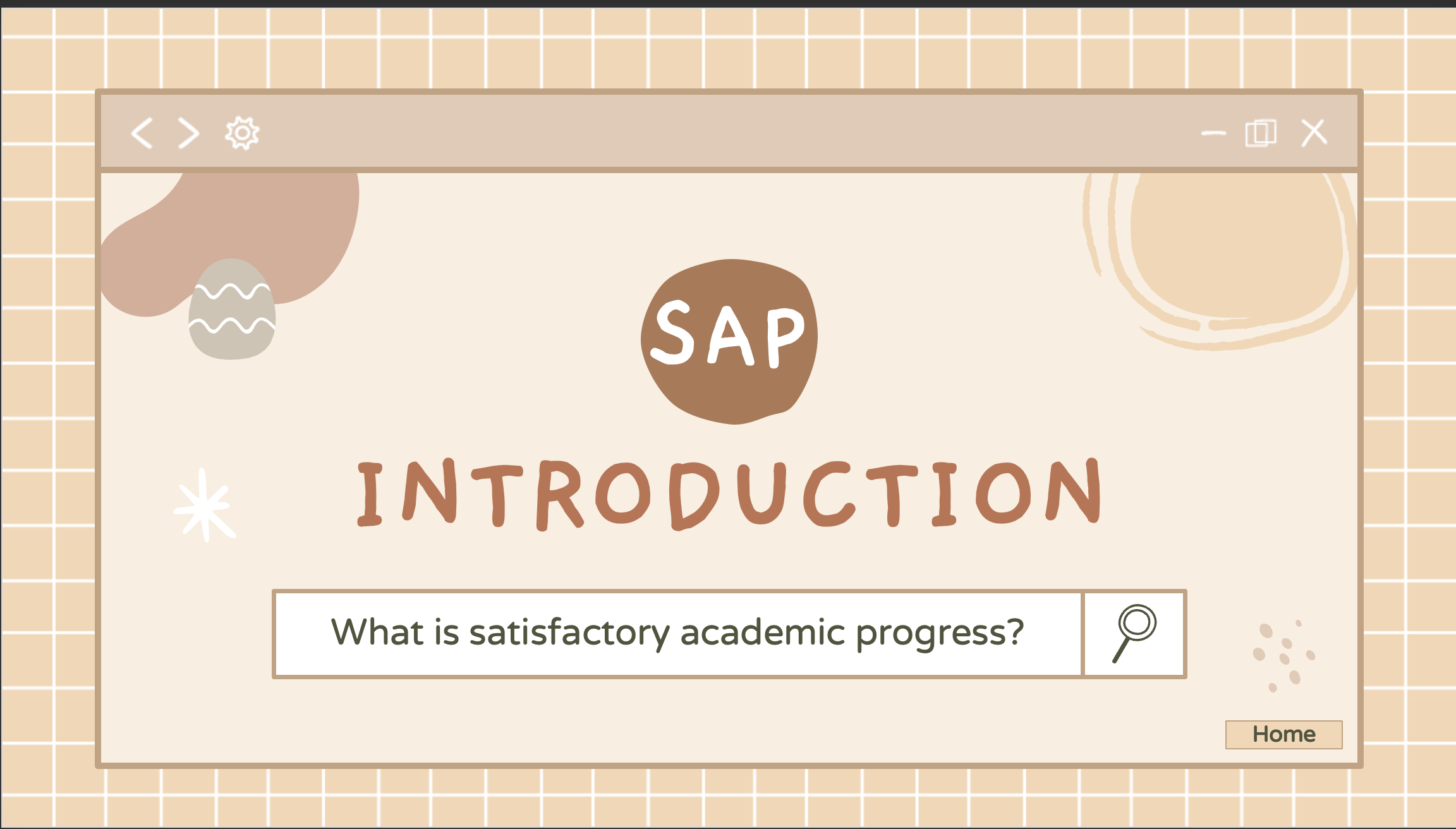
What is Satisfactory Academic Progress?
Purpose: This lesson uses scenario-based learning to teach high school seniors about Satisfactory Academic Progress in college.
Materials: PowerPoint, Physical Handout, Exit Ticket, Video by Google Suite.
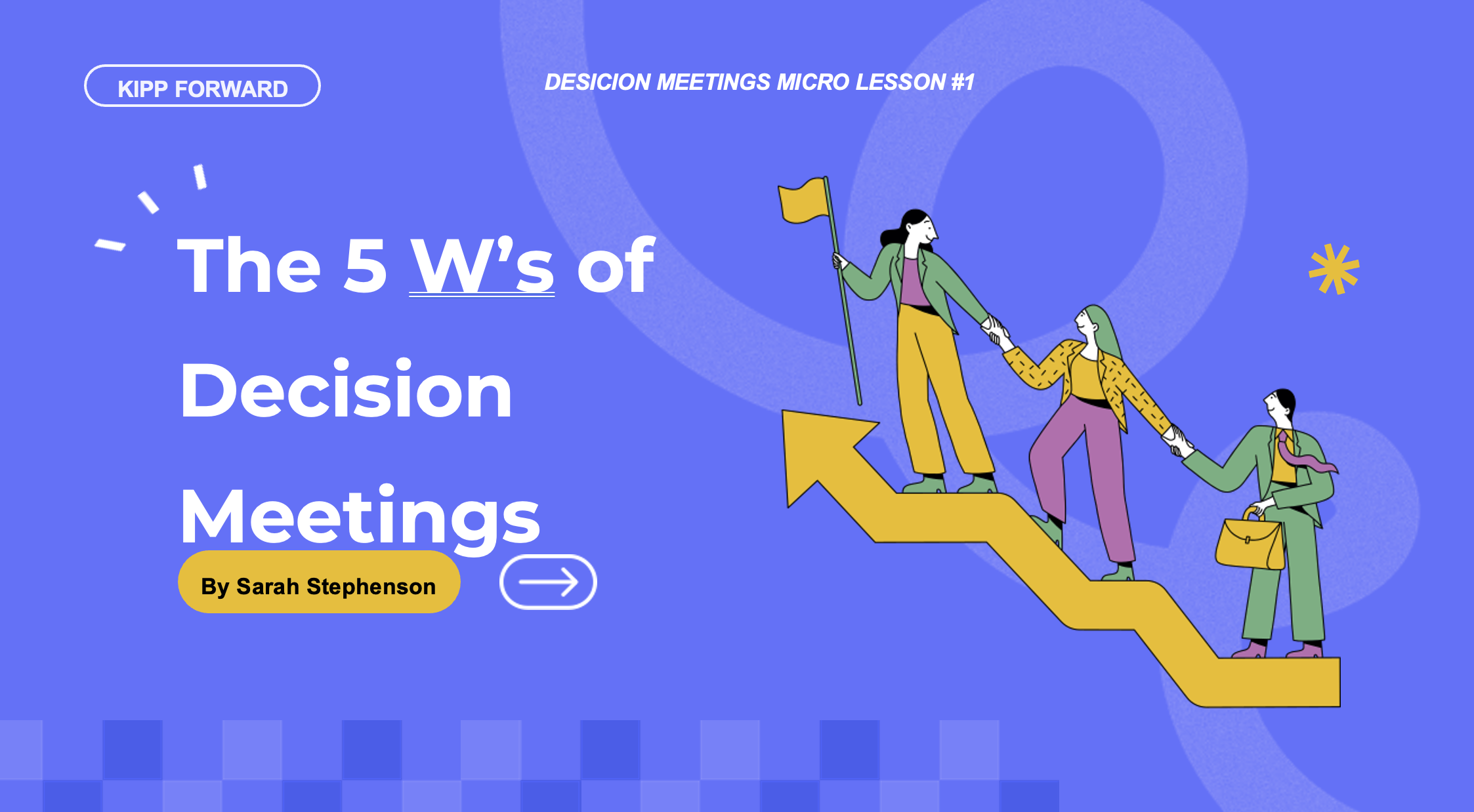
Micro-Learning: The 5 W’s of Decision Meetings
Materials: Articulate 360, for self-paced learning .
Purpose: This micro-lesson is designed to support the onboarding of college counselors. It is structured for self-paced learning but can also be facilitated in a group setting. The design aligns with the ADDIE model to ensure a systematic and effective learning experience.
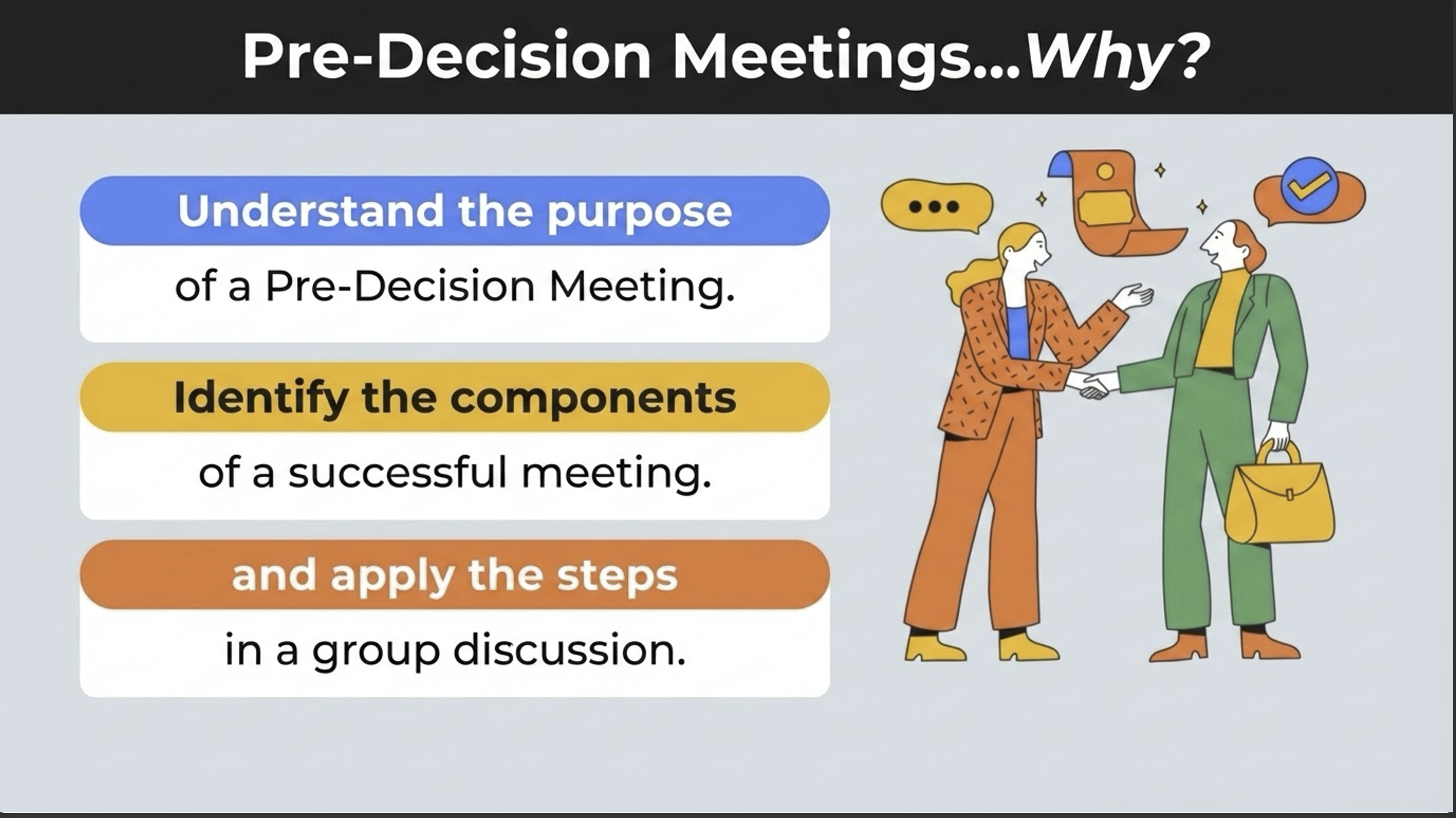
Micro-Learning: Pre-Decision Meetings
Purpose: This micro-lesson is the second in a series designed for both new and experienced counselors. It provides a structured approach to conducting pre-decision meetings and facilitates guided group discussion. Through this format, counselors can share strategies, reflect on practice, and learn from one another’s experiences.
Materials: PowerPoint

Purpose: This lesson applies the Universal Design for Learning framework to help high school seniors navigate unexpected challenges in post-secondary education.
Imposter Syndrome and Campus Resources
Materials: PowerPoint, Digital Handout & Exit Ticket synced with Google Classroom, Google Suite.
Counselor Training & Development
Design Process
The Need: At KIPP Texas, College Counselors facilitate Decision Meetings with high school seniors and their families. In 2024, the onboarding of several new College Counselors revealed that no formal training manual or standardized guidance existed to support Decision Meeting facilitation prior to implementation.
Design Process: I conducted a needs analysis to identify counselor support needs prior to the launch of Decision Meetings. This process included workflow mapping, review of existing resources, and reflection on prior facilitation experience, which informed the development of clear, step-by-step guidance.
The Outcome: I developed a Decision Meeting Playbook that provides clear facilitation steps, expectations, and resources to prepare counselors to lead Decision Meetings with fidelity. Consequently, 100% of decision meetings were completed with 90% data accuracy.
Student Enrollment Checklist
The Need: Students needed a clear, comprehensive list of enrollment steps, but university-provided guidance was inconsistent and difficult to navigate. As a result, students often missed steps or relied heavily on one-on-one support to complete enrollment tasks.
Design Process: With the student’s permission, I accessed a student account to locate each required enrollment step and identify where it lived within the university portal. I documented direct links and wrote step-by-step navigation instructions, repeating this process for each requirement to create a clear, student-friendly checklist.
The Outcome: The checklist reduced confusion and increased student independence during the enrollment process. As a result, 95 percent of students enrolled as planned.
Decision Meeting Playbook
Decision Meeting Agenda
The Need: The Decision Meeting Playbook provided comprehensive guidance, but counselors needed a more compact tool to support facilitation in the moment. Without a streamlined agenda and script, it was difficult to balance pacing, clarity, and completion during live meetings.
Design Process: I began by reviewing the playbook to identify essential agenda items and key facilitation moments that needed concise guidance. I built on existing resources, collaborated with colleagues with prior Decision Meeting experience, and incorporated team feedback to refine the tool into a compact, easy-to-use guide.
The Outcome: The Decision Meeting Agenda and Script enabled counselors to facilitate meetings more efficiently and with greater confidence. As a result, all scheduled Decision Meetings were completed, with required steps addressed and data collection completed in full.